Where the Rabbit Runs
WHERE THE RABBIT RUNS
97-Acre Act of Reconciliation: The Nature Trust’s land transfer to a Mi’gmaq-led trust symbolizes shared stewardship, cultural renewal, and conservation.
WRITTEN BY SHANNON MUNRO, COMMUNICATIONS INTERN
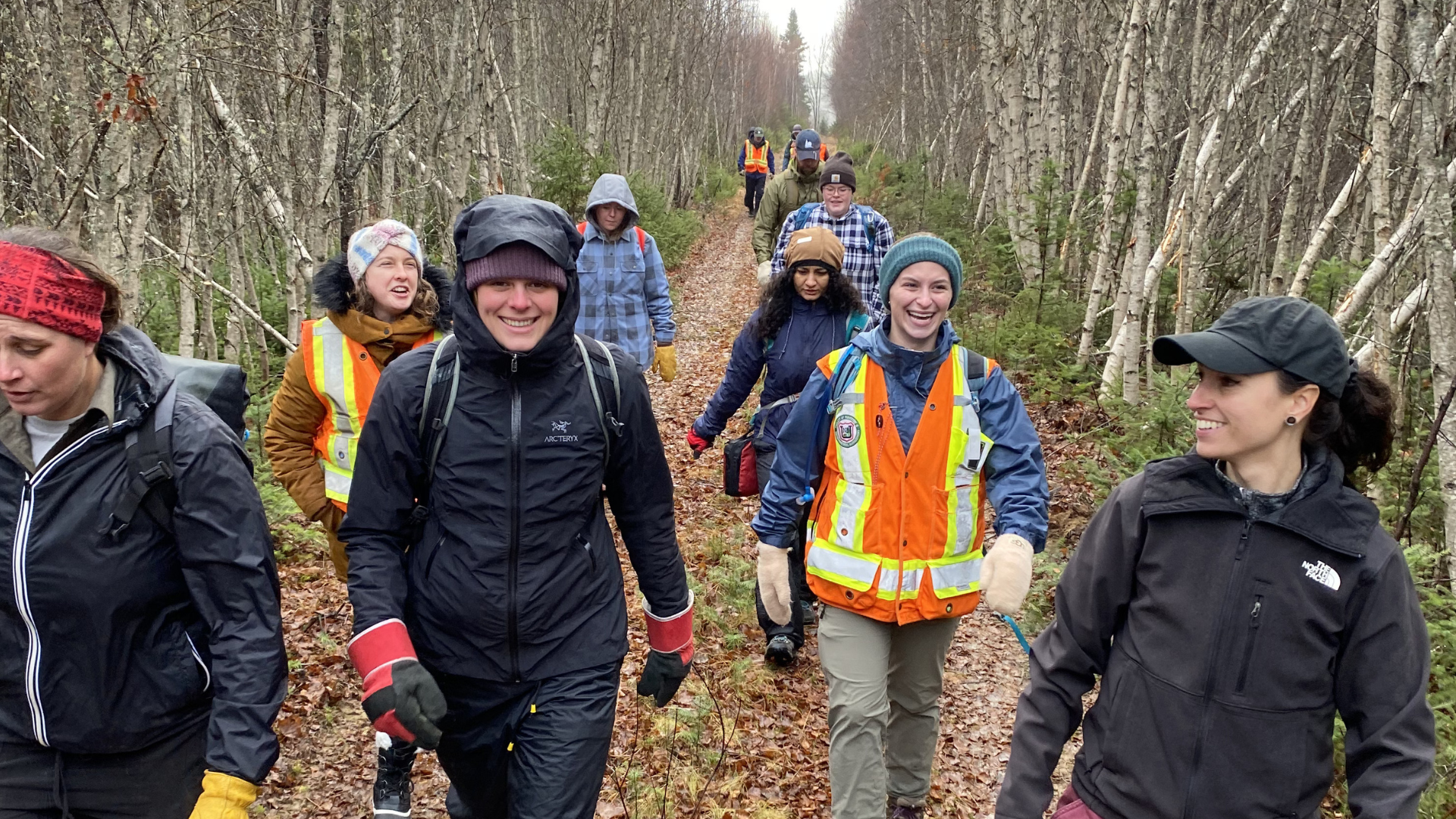
An early white rabbit scampered across the forested trail as Nature Trust of New Brunswick staff and board members trekked alongside community members of Natoaganeg (Eel Gound First Nation) and Metepenagiag Mi'kmaq Nation, in the Gespe’geweg district near Blackville. After a short hike through the woods, the group gathered alongside representatives of Mi’gmawe’l Tplu’taqnn Inc. (MTI) for a sacred fire and welcome ceremony under the cloudy sky and brisk November air.
Metepenagiag Elder Ivan ‘Tulley’ Paul led the three organizations in song—familiar and new voices blending together yet remaining inherently distinct, creating a beautiful, shared melody.
This was the scene one late November day in 2024 as we gathered to celebrate on the piece of land that the Nature Trust recently transferred to the Mi’gmaq land trust, Keki’namuanen Msit Wen Wlo’tmnen Nmaqami’kminu (KMWWN).
In many ways, the act of singing together embodied what the land-back transfer represents: a shared commitment to conservation, peace and friendship, and reconciliation.
“Transferring the ownership and allowing areas for Indigenous people to continue to practice the culture and their rights is probably one of the ultimate acts of reconciliation,” says Tracy Anne Cloud, director of trilateral negotiations at MTI.
For Nature Trust staff, the weight of the day was equally clear.
“From the moment we stepped foot on the land together, it felt like more than just a standard field visit,” says Stephanie Merrill, Nature Trust CEO. “Hearing the songs, seeing the joy in people’s faces—it really struck me how profound this act of land transfer is. It’s about reconciliation, but also about forging deeper relationships and protecting these ecosystems, together.”
MTI is a not-for-profit organization that protects the rights of the Mi’gmaq in New Brunswick and promotes respect and understanding of their laws, values, traditions, customs and practices. Created in 2015 by the nine Mi’gmag First Nations in the province, MTI supports Mi’gmaq rights concerning forestry and natural resources, energy and mines, treaty education, land and resource development, and fisheries and justice.
KMWWN—which means “teaching everyone to care for our territory”—was established in 2020 as a conservation-focused non-profit Indigenous Land Trust founded by three Mi’gmaq-led organizations, MTI, Fort Folley (Amlamgog) and North Shore Mi’kmaq Tribal Council. It aims protect and preserve sacred lands within Mi’gmaq territory and leads Mi’gmaq efforts to establish Indigenous Protected and Conserved Areas (IPCAs) across Wabanaki territory in New Brunswick, currently protecting more than 1,500 hectares of culturally and ecologically significant areas.
The land the Nature Trust transferred to KMWWN spans roughly 97 acres and sits just downstream of the Southwest Miramichi River. It is now in the Indigenous Land Trust’s hands to care for the vast wetland on the property and protect the trees, plants and wildlife for generations to come.
But it’s not just about conserving land for the benefit of the ecosystem. Under KMWWN’s care, Mi’gmaq People have an accessible conservation area to exercise their traditional rights and learn about the history, medicines, and practices supported by the land.
“It allows space for folks to really connect to the land and allows us to step back into the role that we have played before the newcomers or colonizers came to the area,” says Cloud.
Before European colonization of Turtle Island (North America), Indigenous communities across Canada freely practiced traditional ways of living, which included sustainable management of natural resources.
For the Mi’gmaq in New Brunswick, activities like hunting for food, picking medicines, and harvesting artisanal materials such as for baskets are important parts of the culture. Cloud says the gifted land creates space for community members to practice those rights-based activities and continue land-based learning and sharing of cultural knowledge with the next generation.
“There's so many ways that we've been practicing for thousands and thousands of years ... techniques that, a lot of times, people think maybe went away. They're still there, but we've been more limited in what we can do,” Cloud says.
“This gives us the opportunity now to pass that knowledge down to the youth as well. They say it only takes one generation of not doing a specific activity to lose it.”
Although Peace and Friendship treaties were signed in the 1700s between the British and Indigenous nations, including representatives of Mi’gmaq Nations, these treaty rights are not always respected. The treaties are an agreement to protect the Indigenous communities’ rights to land, natural resources, hunting and fishing, and earning a reasonable livelihood without British interference. No traditional land was surrendered by the Indigenous communities involved in these agreements.
The saying, 'We are all treaty people,' underscores that everyone agreed to share this place and that we all have responsibilities to uphold this commitment. Understanding and respecting these treaty commitments is an important first step in the shared undertaking of reconciliation. Merrill says the land-back transfer is one action the Nature Trust could take in this spirit: both a commitment to collaborative caretaking of the land and relationship building with Indigenous nations.
“We have so much work to do to safeguard biodiversity, address climate change, and conserve nature in this province,” Merrill says. “The only way to succeed is if we all work together—conservation groups, Indigenous-led organizations, governments, and local communities all sharing in the giant task of turning these crises around.”
Nature Trust board president Tom Beckley echoed this sentiment, saying the shared responsibility of conserving nature is what connects us all.
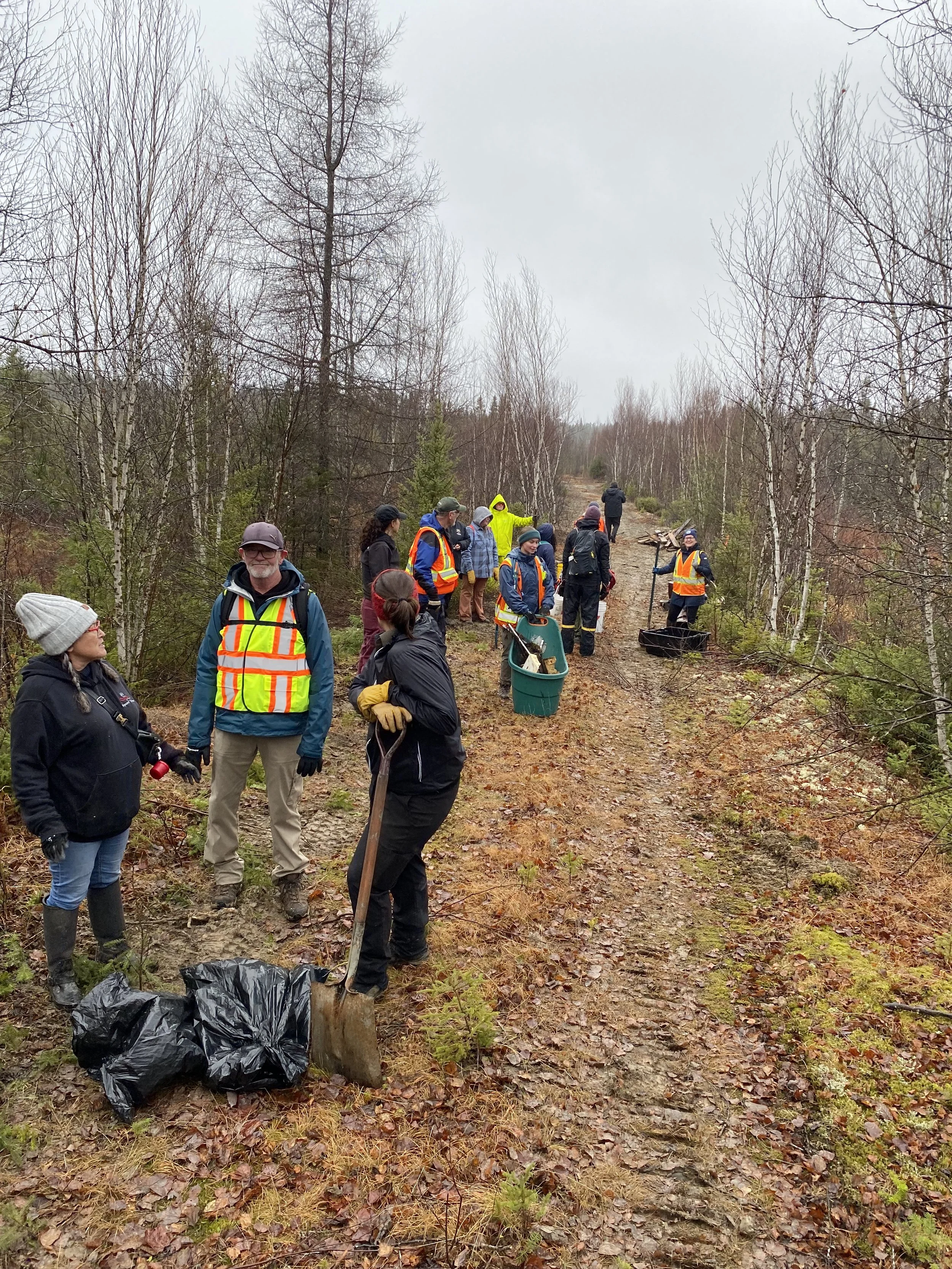
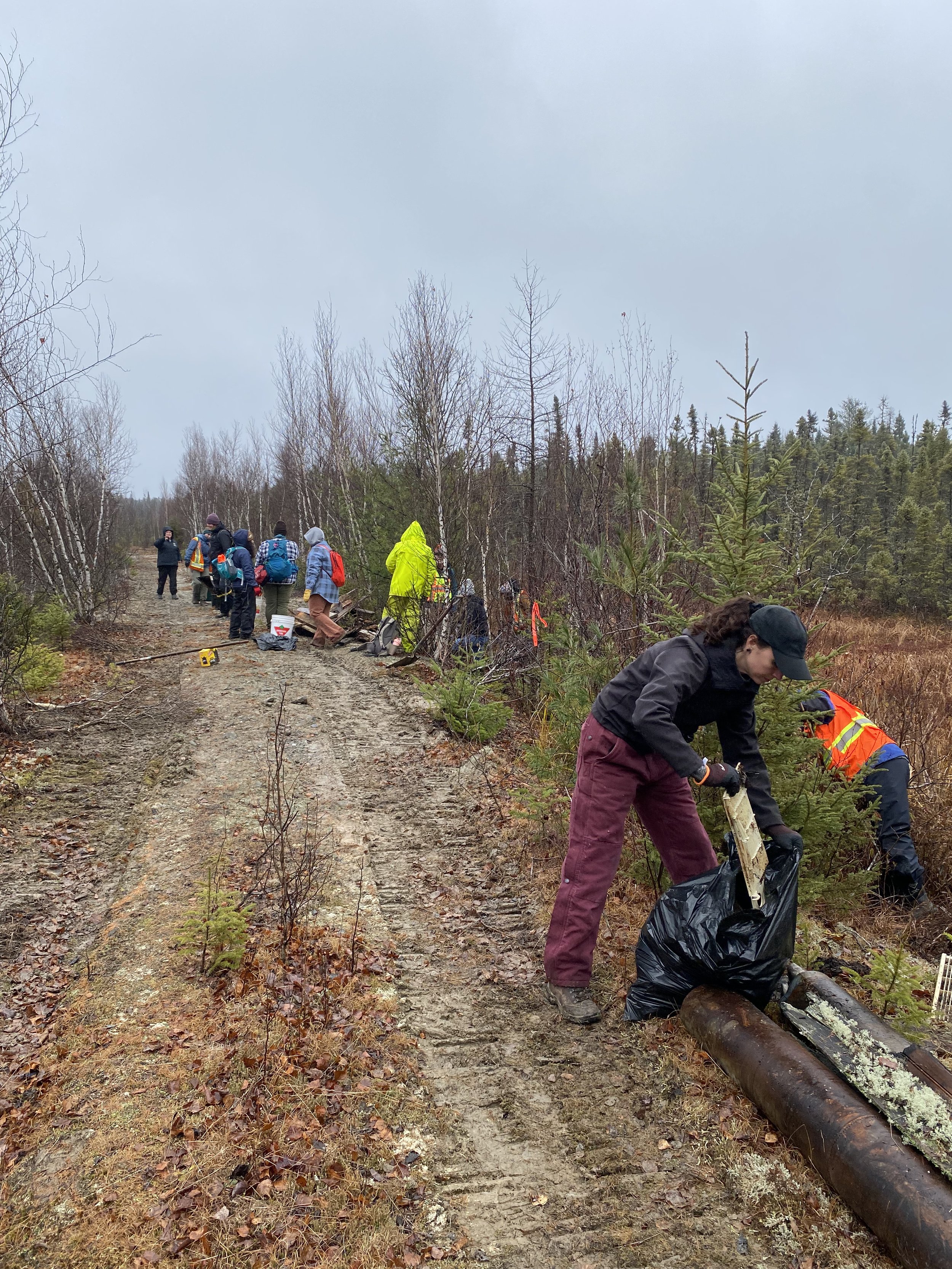
“We're all working toward similar goals: seeing more land protected and well stewarded,” Beckley says, gesturing to the forested wetland and trails the organizations spent the morning cleaning up. "We've built a great relationship conserving land together with the Peskotomuhkati Nation and we’re expanding on that here with Mi'gmaq communities as well."
Over the past seven years, the Nature Trust and the Peskotomuhkati Nation at Skutik have forged a unique partnership to establish the Skutik IPCA, a 1,500-hectare network of lands in the Skutik (St. Croix) watershed. By blending Indigenous land care traditions with charitable land trust practices, this collaboration supports the Peskotomuhkati Nation’s efforts to reclaim and conserve traditional territory while also protecting biodiversity for future generations.
The Nature Trust is among many voices which believe Canada’s conservation goals are only achievable through collaborative efforts among government, communities, organizations and Indigenous Peoples. The Indigenous Circle of Experts, an advisory group tasked with making recommendations to increase protected natural spaces and further reconciliation in Canada, says IPCAs are a mechanism of this collaboration.
IPCAs vary in terms of governance and management objectives but share essential elements: they are Indigenous led, represent a long-term commitment to conservation, and offer an opportunity for reconnection with land to promote healing for both people and place.
“Indigenous-led organizations have built a lot of capacity over the last few years in New Brunswick and are actually leading in Canadian conservation work,” says Merrill. “We want to support that. It’s part of the Nature Trust’s priorities to acknowledge that Indigenous leadership and land care practices are essential to protecting our natural heritage.
“This transfer is a milestone in the Nature Trust’s evolution, yes, but it’s less about this one property and more about how our shared interest and concern for the land can spark new friendships, deeper collaboration, and mutual respect—all of which will have bigger and better benefits for nature.”
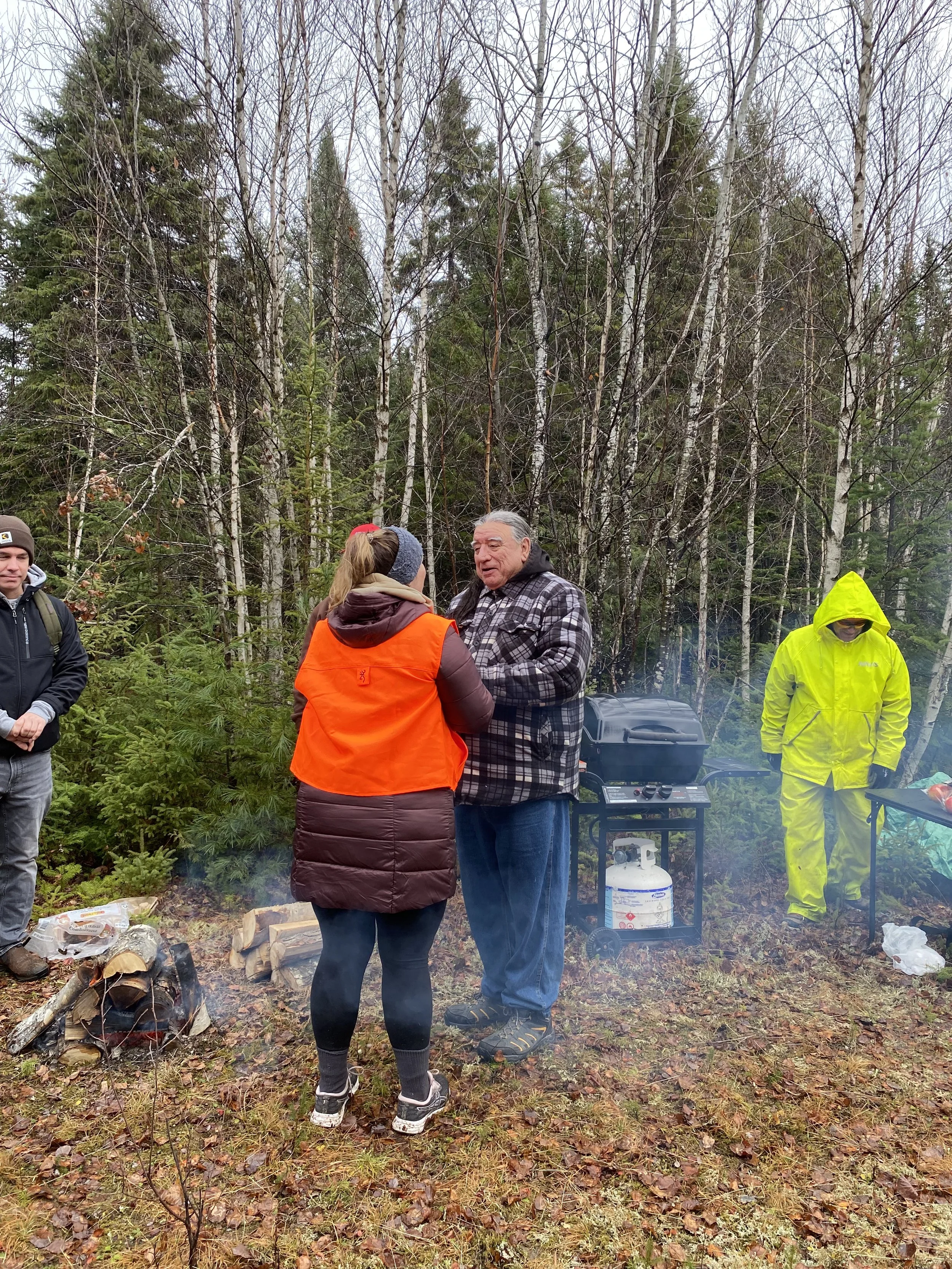
And on the day of the cleanup, as everyone came together to sing, eat, and care for the land, the flowering relationship between people wanting to protect nature was the forefront of the event.
“The people in this effort, we've gotten to know each other. We care about each other, care about our organizations, and care about the work that we're trying to do,” Merrill says. “It caught me by surprise how emotional myself and others got at the cleanup today. The sharing circle that that we had, it was very meaningful. I got a little choked up. Tracy Anne got a little tearful. It was a powerful moment.”
Cloud also considers tending a supportive partnership a step on the path to reconciliation.
“It's about building that relationship,” she says. “When you're talking about reconciliation, I think this (land-back transfers) is a really important pillar that we can use—and an easy one at that, because there's common goals of conserving and protecting the environment.”
Just as many people came together to care for the land on this day, we must nurture our relationships to further reconciliation.
“A lot of people ask, ‘what can we do to support reconciliation?’” Cloud says. “I always say, ‘ask an Indigenous person, or never assume that you think you know what is needed.’ Needs vary for different people and different communities across the Nation—but one common thread is around land back.”
At the start of this morning together, a rabbit led the way down the trail. In the same spirit, this transfer leads the way for more collaboration, more trust, and more shared care of the land. Where the rabbit runs, may reconciliation follow.
This story will be featured in our 2024-25 Gratitude Report, our annual report. Members and donors receive a hard copy in the mail each December—donate here to join the mailing list.
Want to learn more about our work toward shared stewardship and reconciliation? Read these nature stories!
Land, Legacy and Trust: a feature story about how a groundbreaking partnership between the Nature Trust and the Peskotomuhkati Nation at Skutik is reclaiming, conserving and restoring land.
Nature’s Namesake: a feature story about our initiative to rename some of our preserves with Indigenous names in collaboration with Wolastoqey elders.