Overview
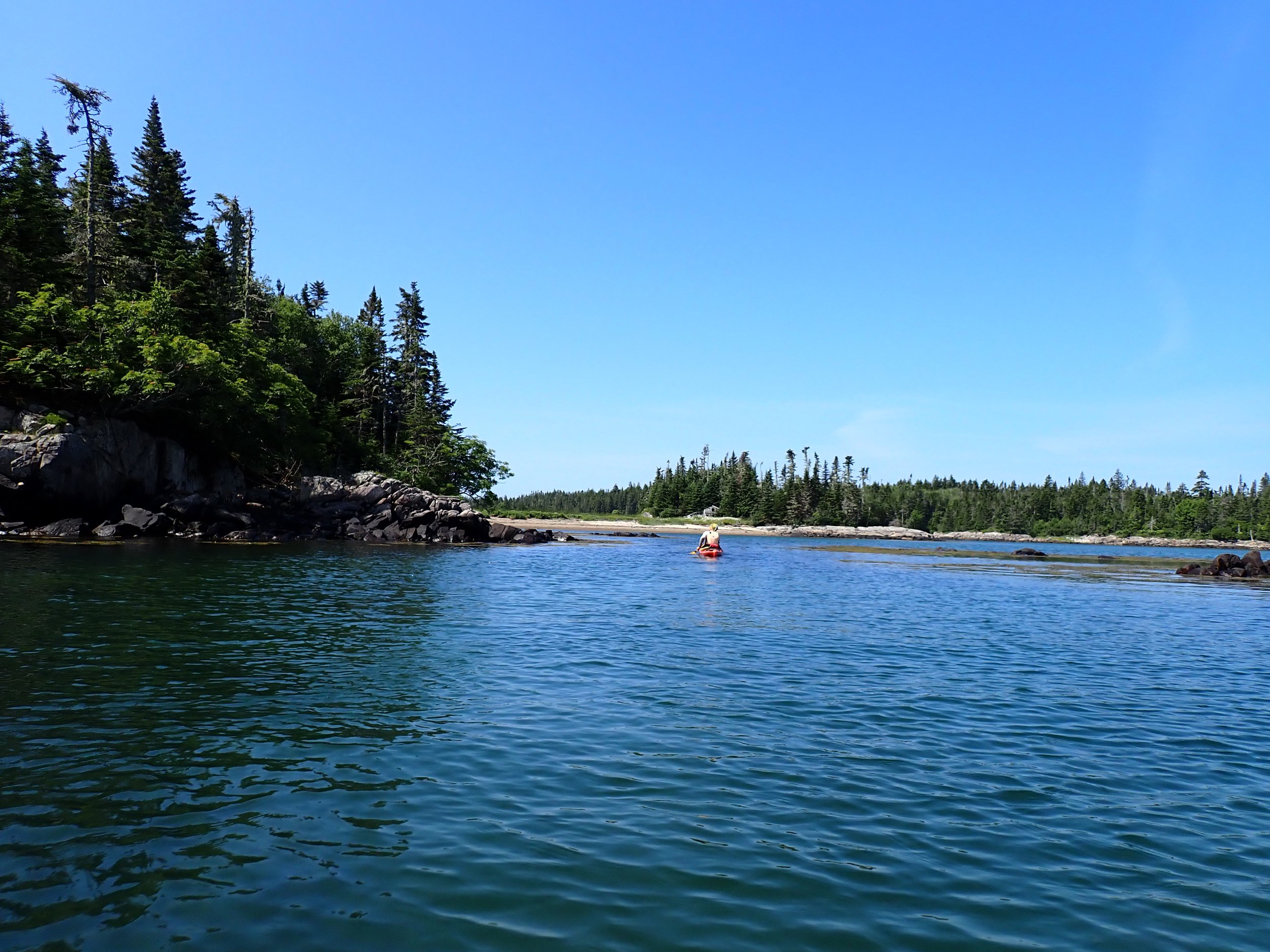
The Penn Island Nature Preserve spans 10 hectares (25 acres) of ecologically rich island habitat off the coast of Pennfield Parish, east of St. George, New Brunswick. Just a few hundred meters from the mainland, it’s accessible on foot at low tide or by boat at high tide via a launch at the end of Crow Harbour Bye Road.
History
Penn Island is situated within the unceded territory of the Peskotomuhkatiyik, who have maintained deep ties to this land and surrounding waters for thousands of years. The area has long been used for hunting, fishing, gathering, and spiritual ceremony, and holds enduring cultural significance.
In the summer of 2001, members of the Peskotomuhkati Nation expressed the importance of this region’s protection, reflecting on its role in Indigenous lifeways and calling for conservation measures to protect its ecological and spiritual legacy.
Today, Penn Island remains under the ownership of seven members of the Duschenes family and is now protected in collaboration with the Nature Trust. Its preservation not only protects the island’s ecosystems, but also honours the cultural significance and historic stewardship of Indigenous communities.
Ecology
Penn Island Nature Preserve offers an impressive range of coastal and forested ecosystems, shaped by its rugged terrain and diversity of wildlife and ecosystems. The island is divided into two main sections, separated by a wetland area filled with cattails and rushes, and fringed by sandy beaches, rocky outcrops, and grassy marshes.
The upland portions of the island are dominated by maritime spruce-fir forest, supporting trees like balsam fir, spruce, and white birch. The eastern shoreline rises to create open headland habitat, while the western coast is lower and more sheltered, containing small coves ideal for marine landing. A section of rocky summit heath adds to its ecological diversity.
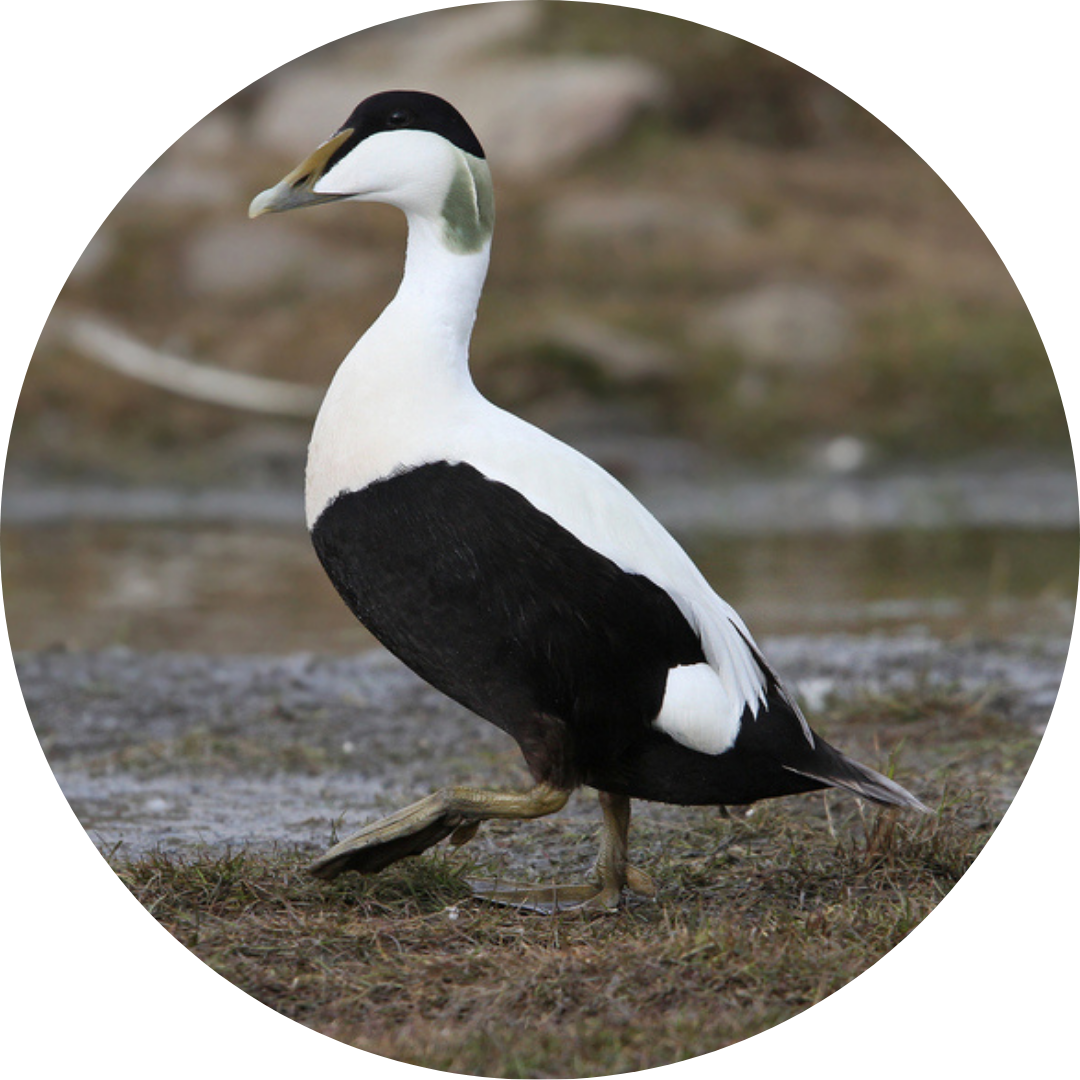
The island lies within the Point Lepreau/Maces Bay Important Bird Area (IBA) and the Maces Bay Ecologically and Biologically Significant Area (EBSA)—key conservation zones in the Quoddy Region. As part of the Atlantic Flyway, Penn Island plays a critical role in supporting migratory seabirds like common eiders (Somateria mollissima), black scoters (Melanitta nigra), black guillemots (Cepphus grylle), peregrine falcons (Falco peregrinus), and bald eagles (Haliaeetus leucocephalus). The waters surrounding Penn Island also support juvenile lobster populations, and the surrounding marine ecosystem is renowned for its high productivity due to the Bay of Fundy’s tidal upwellings.
The protection of Penn Island also contributes to a growing network of protected areas near the Pocologan River, and conservation easements managed by the Nature Conservancy of Canada.
Access and Activities
Penn Island can be accessed on foot at low tide or by boat at high tide via a launch at the end of Crow Harbour Bye Road. If you have any questions or concerns regarding access to this preserve, please contact the Nature Trust at info@ntnb.org
Please contact the Nature Trust office at (506) 457-2398 or engage@ntnb.org for information about volunteering and fieldwork opportunities.
*The property is undeveloped and there are a variety of hazards and risks associated with accessing this preserve. Any visitor must assume responsibility for their own actions and safety and are to use the land at their own risk.