Overview
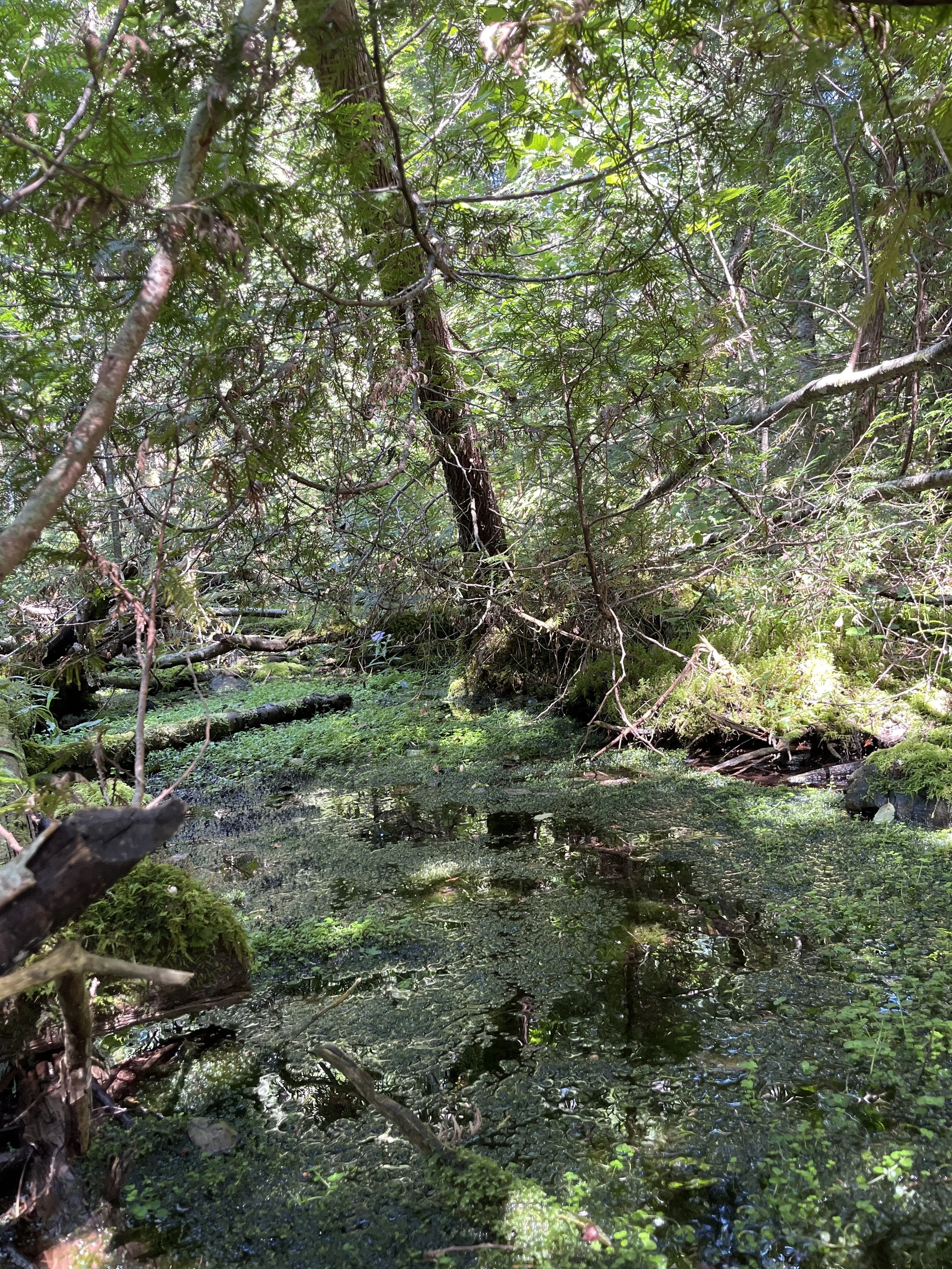
Located on the unceded territory of the Wolastoqiyik in Carleton County, the Oak Mountain Nature Preserve protects 31 hectares (77 acres) of rare species, climate-resilient mature forest, and forested wetlands, in addition to strengthening a growing network of protected habitats in the region.
History
Today, the forest teems with signs of renewal and resilience, a testament to decades of thoughtful care by land donors Faye and Larry O’Donnell, who donated the property in 2025. Their stewardship over the years has played a key role in maintaining the health and integrity of the property.
Ecology
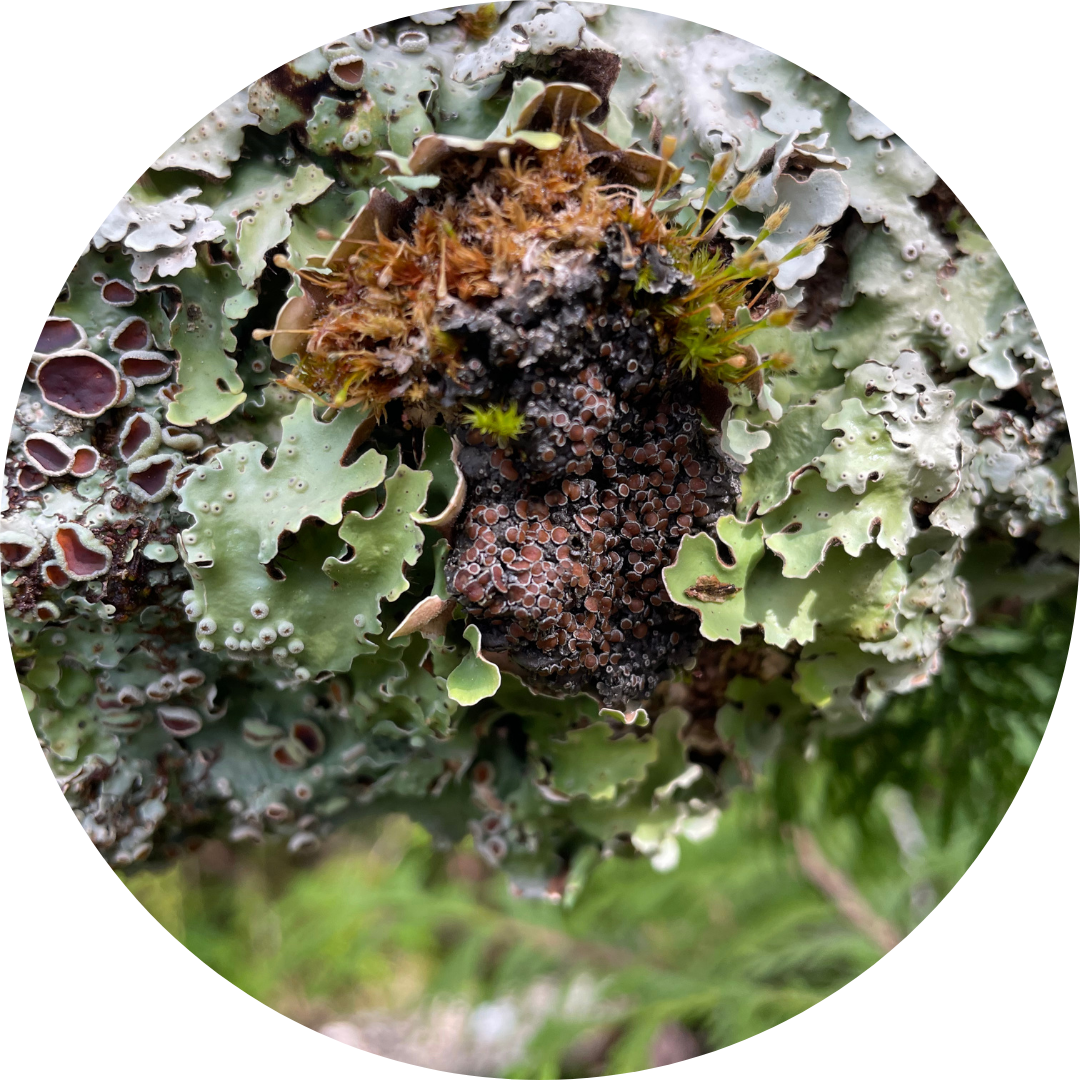
The Oak Mountain Nature Preserve is a dynamic mosaic of habitats, where cedar swamps, cool shaded wetlands, spring-fed ponds, and trickling streams weave through early successional forest. The western portion of the preserve features a rare calcareous forested wetland—an ecosystem uncommon in protected areas. Primarily composed of cedar and red maple, this wetland’s mineral-rich soils and maintained moisture create ideal conditions for rare species like white-rimmed shingle lichen (Fuscopannaria leucosticta) and wrinkled shingle lichen (Pannaria lurida). Culturally significant black ash (Fraxinus nigra) trees, historically used by Indigenous communities for basket-making, are also protected here.
Located in Carleton County, this preserve lies near two Ecologically Significant Areas (ESAs): Saunderson Lake, an ESA recognized for rare plants, and Upper Northampton Island. It is also close to several other Nature Trust conserved lands, including the Beardsley Hill Nature Preserve, strengthening a growing network of protected habitats in the region.
Access and Activities
If you have any questions or concerns regarding access to this preserve, please contact the Nature Trust at info@ntnb.org
Please contact the Nature Trust office at (506) 457-2398 or engage@ntnb.org for information about volunteering and fieldwork opportunities.
*The property is undeveloped and there are a variety of hazards and risks associated with accessing this preserve. Any visitor must assume responsibility for their own actions and safety and are to use the land at their own risk.