Overview
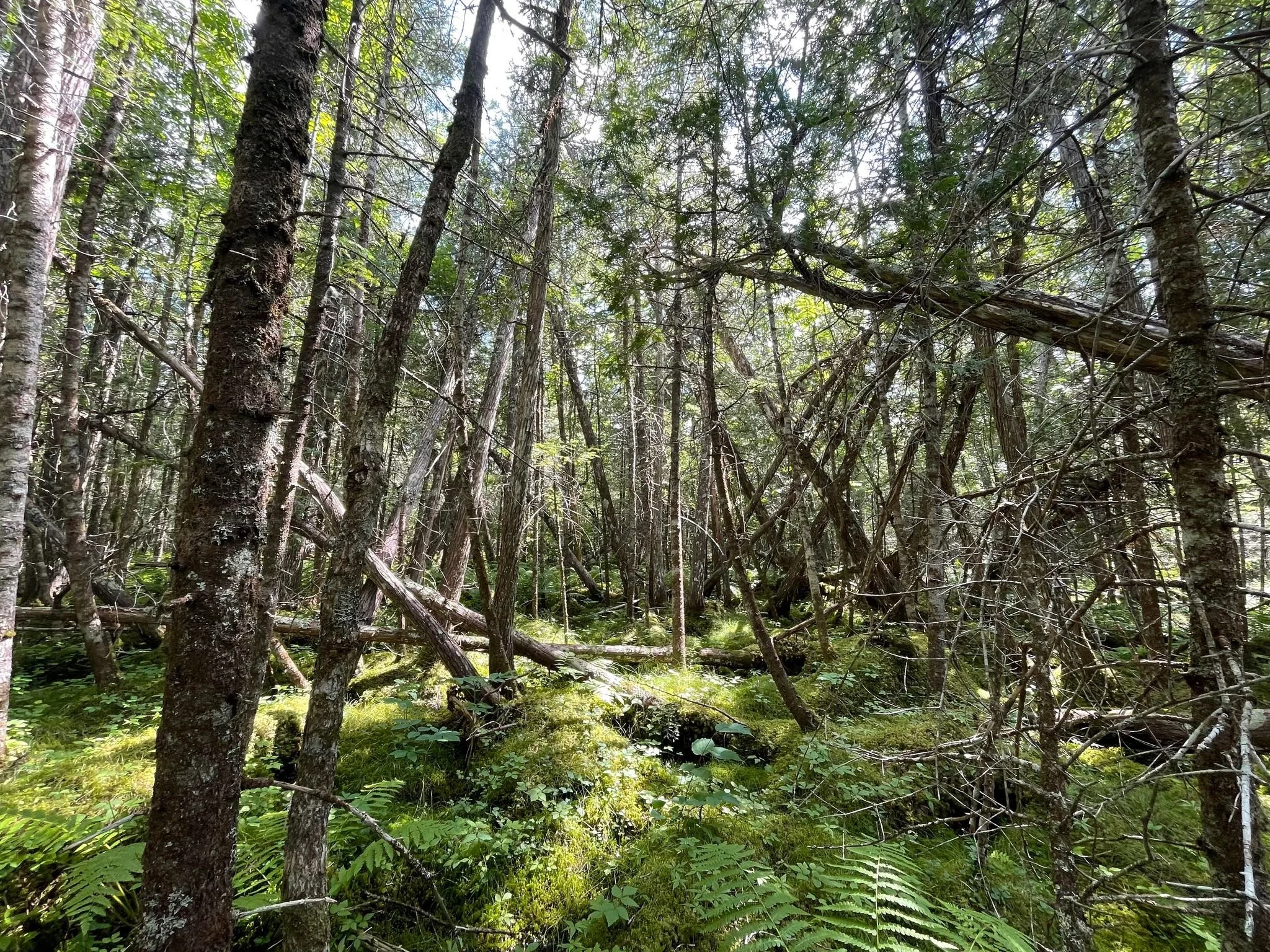
Located in Basswood Ridge, Charlotte County on the unceded territory of the Peskotomuhkatiyik, the King Brook Nature Preserve protects 42.6 hectares (105.3 acres) of mature cedar, peat bogs, and forested wetlands such as eastern white cedar and black ash swamps which support a variety of rare species.
History
Originally acquired as two separate properties, this preserve was protected in 2025 during our most successful year of conservation to date. Thanks to its location within the Skutik Indigenous Protected and Conserved Area (IPCA) project area and adjacent to land held by the Passamaquoddy Recognition Group, the King Brook Nature Preserve safeguards culturally significant species, supports landscape-level ecological connectivity, and protects a forest that hasn’t been harvested in over 80 years.
Ecology
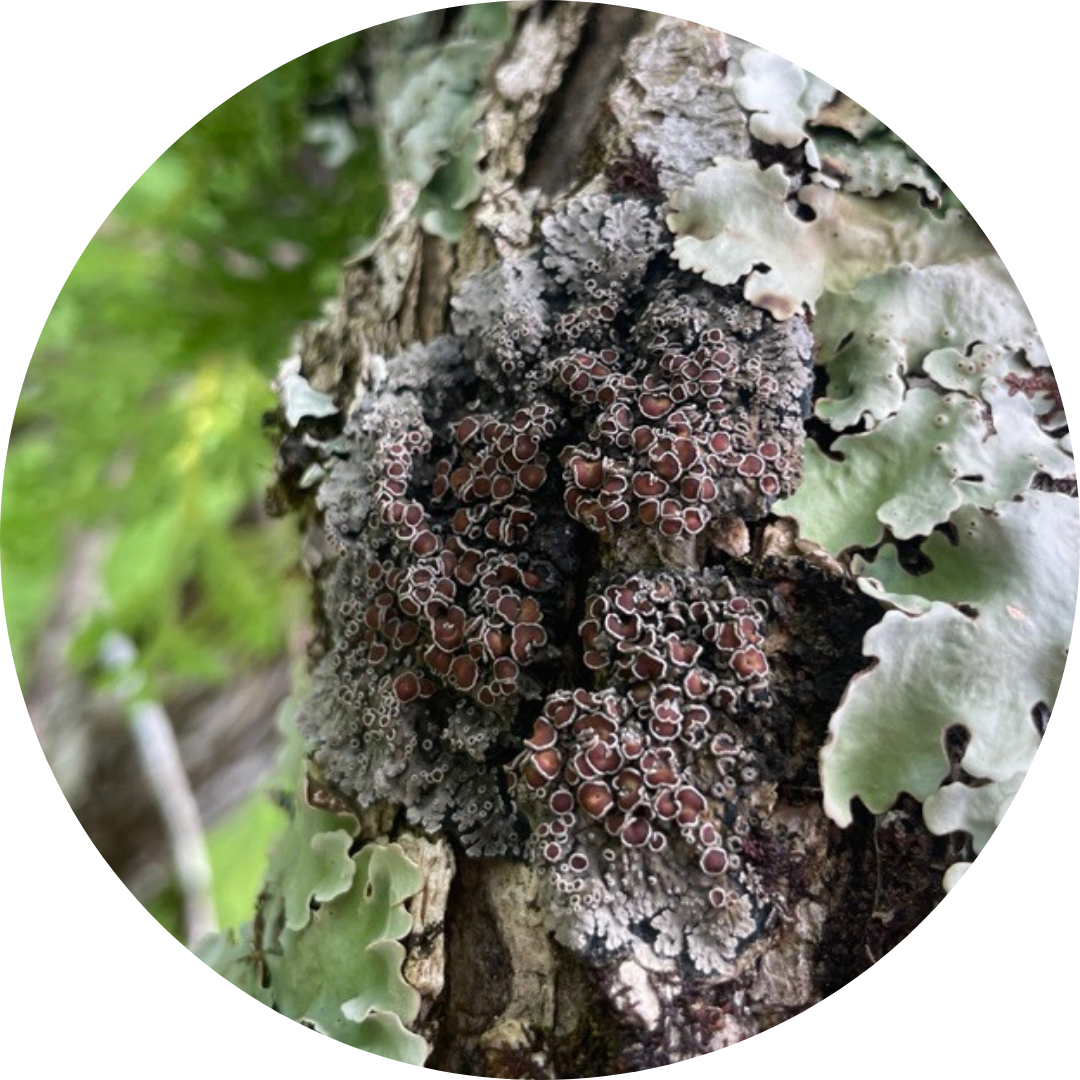
This preserve’s mature cedar swamp and forested wetlands offer exceptional biodiversity and support many colonies of rare species-at-risk lichen, including white-rimmed shingle lichen (Fuscopannaria leucosticta, S2) and wrinkled shingle lichen (Pannaria lurida, S1/S2), which thrive on eastern white cedar (Thuja occidentalis) and black ash (Fraxinus nigra, S2). Bisecting both properties, King Brook feeds the wetlands and contributes to the humidity required for this habitat to be suitable for rare lichen species. Many other rare plant and animal species also call these climate-resilient forests and wetlands home, including sparse-flowered sedge (Carex tenuiflora) and Canada warbler (Cardellina canadensis).
Access and Activities
If you have any questions or concerns regarding access to this preserve, please contact the Nature Trust at info@ntnb.org
Please contact the Nature Trust office at (506) 457-2398 or engage@ntnb.org for information about volunteering and fieldwork opportunities.
*The property is undeveloped and there are a variety of hazards and risks associated with accessing this preserve. Any visitor must assume responsibility for their own actions and safety and are to use the land at their own risk.