Overview
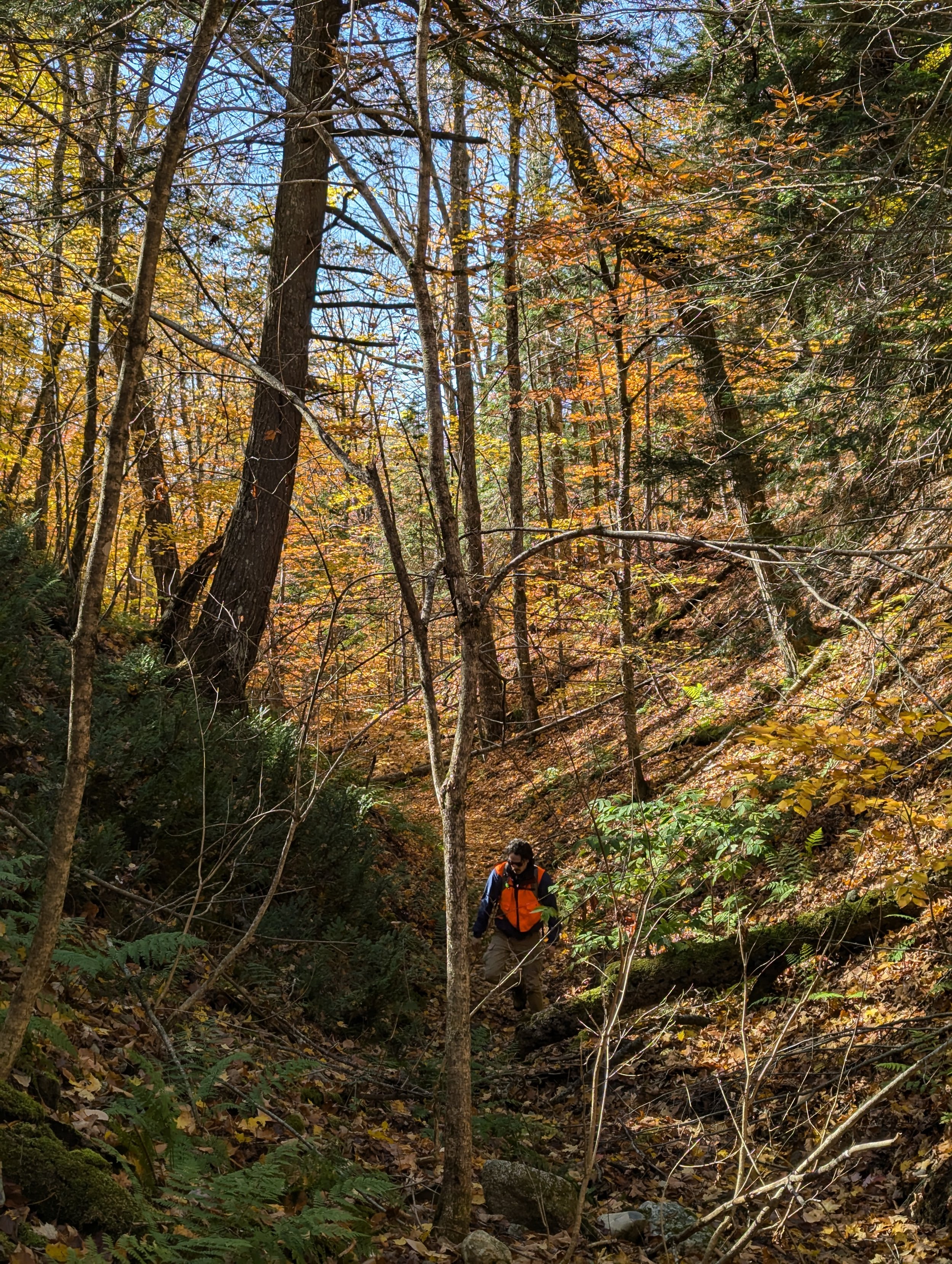
Located near Perth-Andover on unceded Wolastoqiyik territory, the Kincardine Ridge Nature Preserve protects 77 hectares (190 acres) of diverse, climate-tolerant Appalachian hardwood forest and freshwater wetlands.
History
With a history of agricultural use and regenerating Christmas tree plantations, this land was acquired in 2025 as part of our most successful year of fundraising. Kincardine Ridge will complement long-term conservation in the Carleton-Victoria region with augmented support from surrounding protected lands like our MapleCross-Demerchant Brook Nature Preserve and the Blind Gully Brook Protected Natural Area.
Ecology
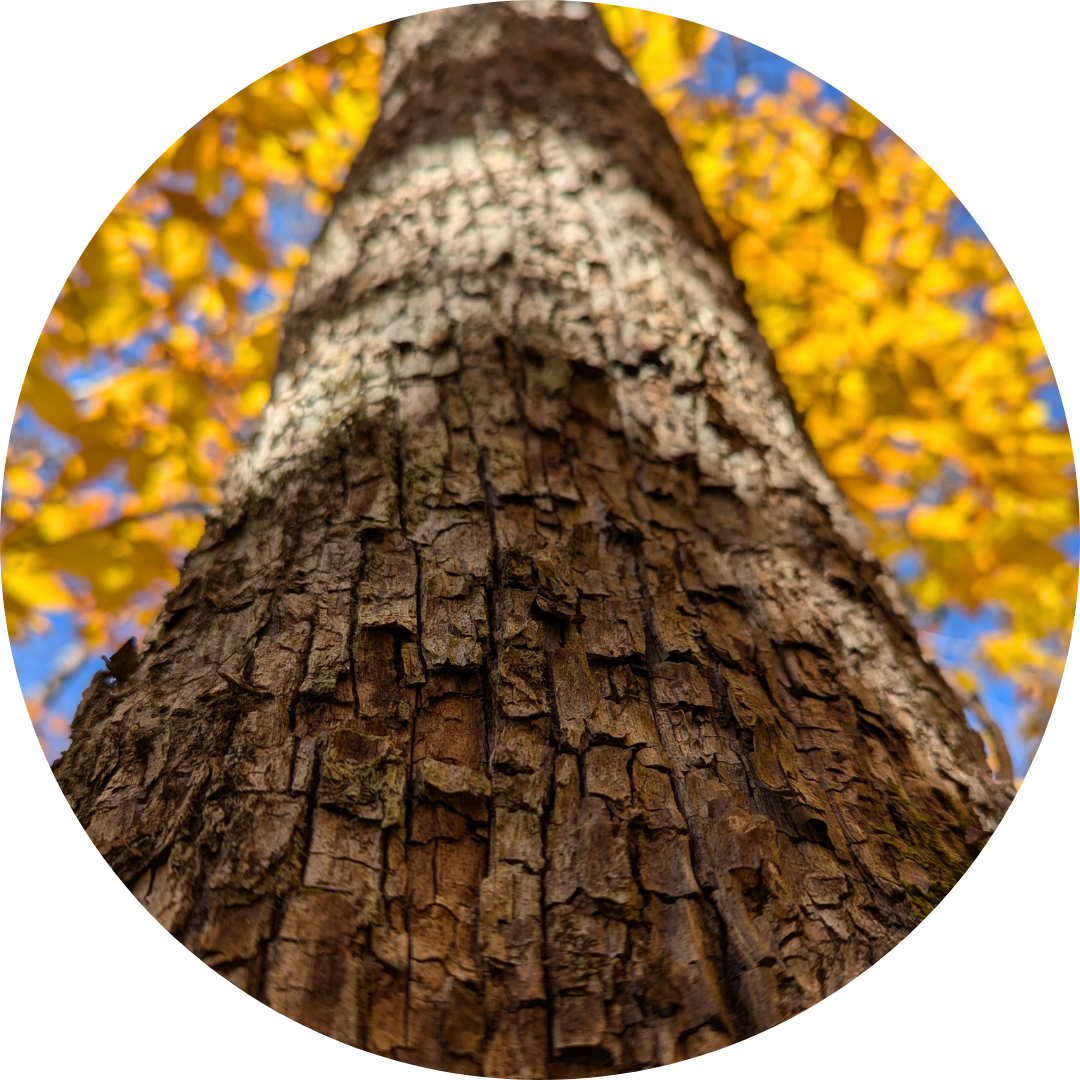
Dominated by forested stands like sugar maple (Acer saccharum), yellow birch (Betula alleghaniensis), American beech (Fagus grandifolia), and Eastern hemlock (Tsuga canadensis), this diverse Appalachian hardwood forest protects a unique ecosystem that is among the most threatened in New Brunswick. In the western section of the preserve, calcareous soils support rich ground flora, mosses, and ferns, and a large wetland in the east shelters culturally significant black ash (Fraxinus nigra).
One of the most breathtaking spots on the property features a deep ravine where a cascading stream flows over a beaver dam with a large pond and into a deep gully, which is surrounded by towering hardwoods, softwoods, and 20+ foot-high banks. Kincardine Ridge also supports connectivity between riparian areas and surrounding forest patches, making it critical for regional biodiversity corridors.
Access and Activities
Parking is available off Kincardine Road here: 46.642671, -67.640706. If you have any questions or concerns regarding access to this preserve, please contact the Nature Trust at info@ntnb.org
Please contact the Nature Trust office at (506) 457-2398 or engage@ntnb.org for information about volunteering and fieldwork opportunities.
*The property is undeveloped and there are a variety of hazards and risks associated with accessing this preserve. Any visitor must assume responsibility for their own actions and safety and are to use the land at their own risk.