Overview
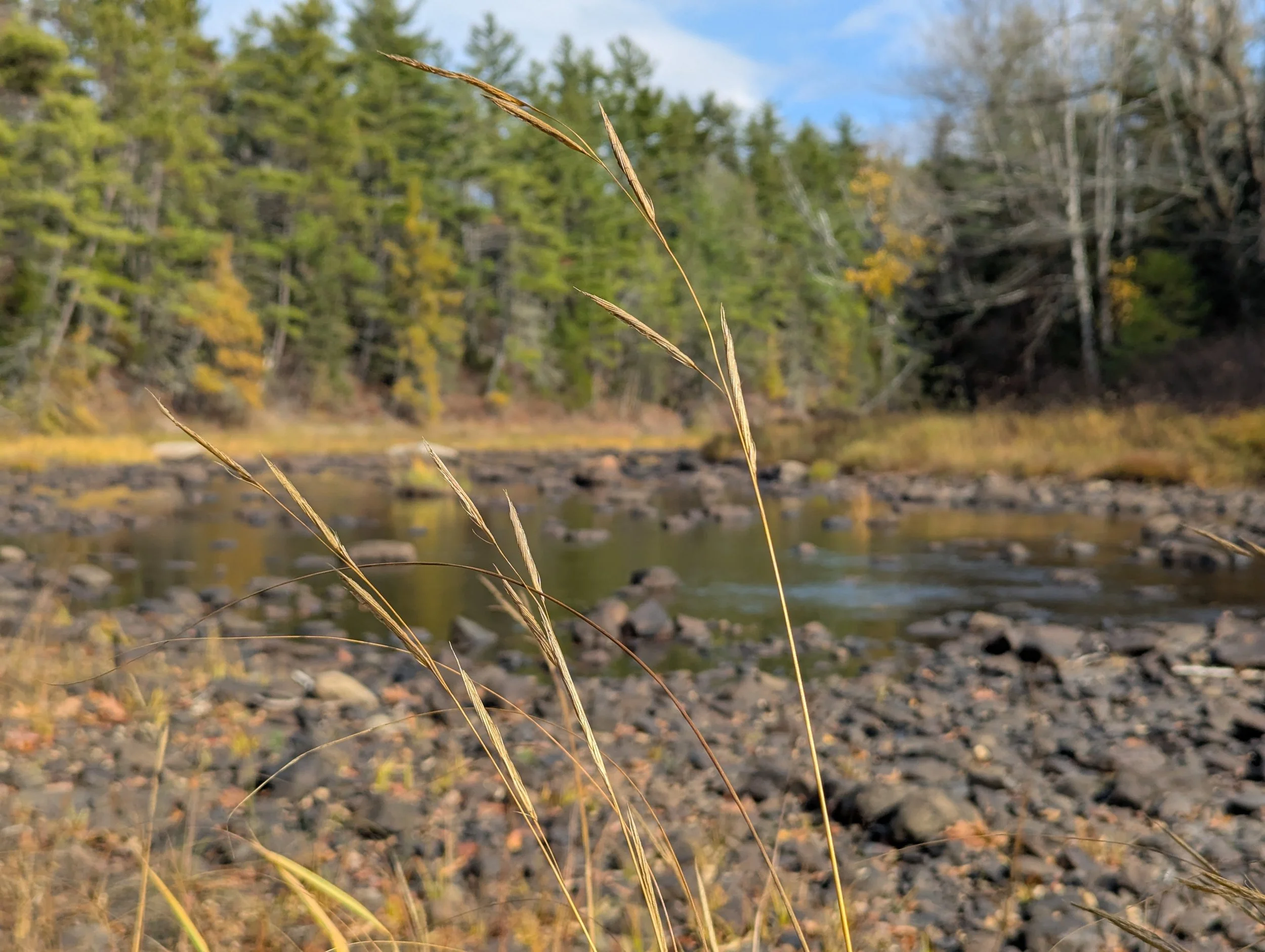
Located on the unceded territory of the Wolastoqiyik along the North Branch Oromocto River, where thousands of shining gaspereau migrate each year, the Forested Wetlands of Tracyville (Official Name Pending) protects 22 hectares (54 acres) of mature, undisturbed forests, wetlands and riparian habitat.
History
By securing this property, the Nature Trust safeguards one of the few remaining tracts of mature forest and forested wetland along this stretch of the North Branch Oromocto River. Its protection also anchors a climate-resilient habitat corridor and ensures that future generations can experience a landscape that has been allowed to thrive, uninterrupted, for decades.
The Forested Wetlands of Tracyville (Official Name Pending) was acquired in 2026 as part of the Nature Trust’s Together for 100 campaign, becoming the 98th nature preserve protected in a history of land conservation efforts. Special thanks to Environment and Climate Change Canada's Natural Heritage Conservation Program–Land Trusts Conservation Fund for also contributing to the acquisition of this property.
Ecology
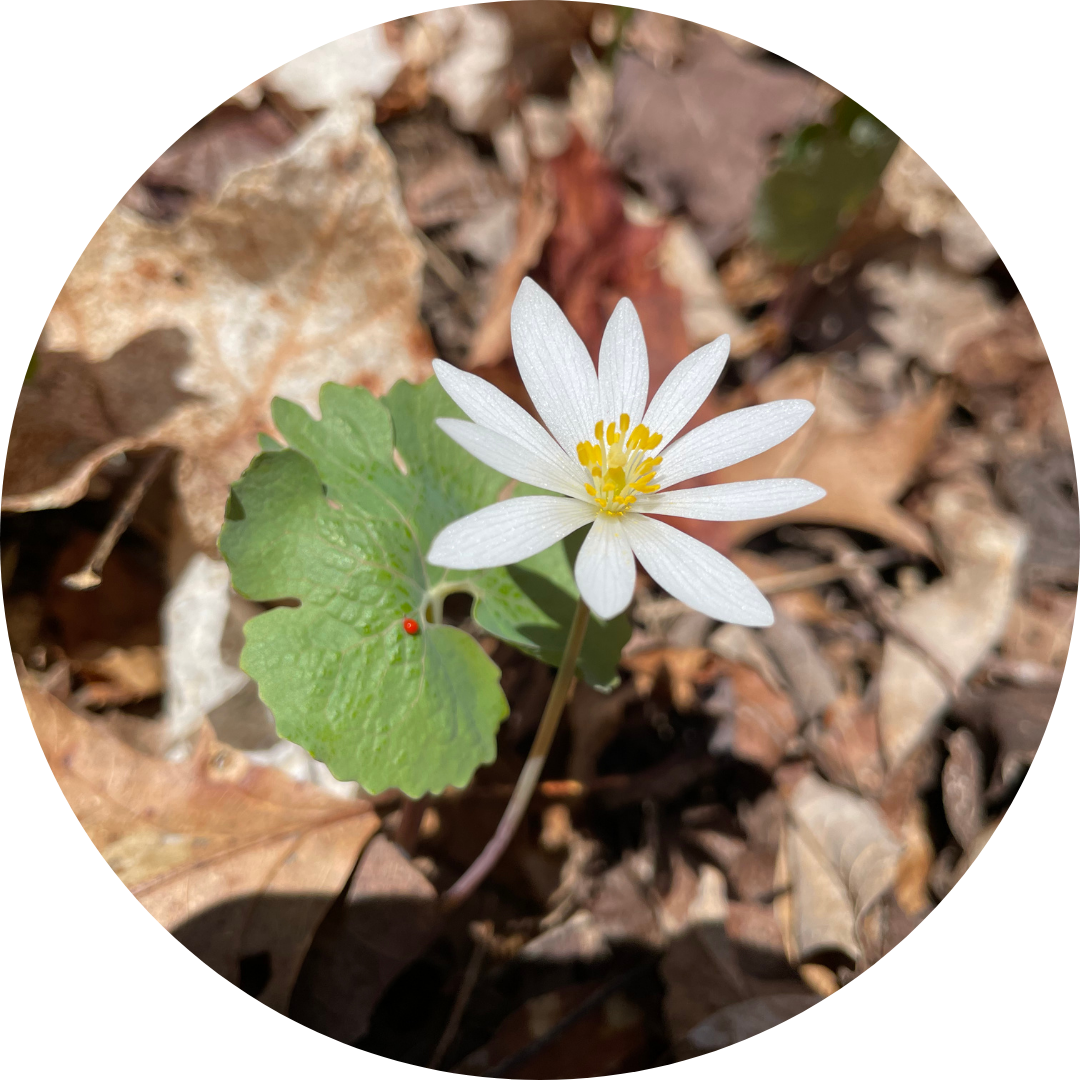
The Forested Wetlands of Tracyville (Official Name Pending) protects an array of rare and culturally significant plant communities. Spruce trees guard the riverbank downhill of abundant ironwood, red oak and near-threatened white ash (Fraxinus americana). In the spring, bloodroot (Sanguinaria canadensis) flowers bloom among these rich hardwoods and decorate the ground with their bright white petals, resembling persisting snow and providing nectar to awakening pollinators. Other rich-soil indicator plants such as Christmas fern (Polystichum acrostichoides), two-leaved toothwort (Cardamine diphylla), and goldthread (Coptis trifolia) thrive here, reflecting the ecological quality of the forest floor.
The landscape transitions into luscious stands of Wabanaki-Acadian Forest with some of the tallest tree species, including white pine (Pinus strobus), present. Signs of wildlife like moose, bears, and coyotes are frequent throughout the property. Amphibians and insects are also provided a haven via the many vernal pools which dot the forest floor and the forested wetlands that cover the property, consisting primarily of red maple (Acer rubrum). Endangered species like the olive-sided flycatcher (Contopus cooperi) and bank swallow (Riparia riparia) have been sighted nearby, all of which stand to benefit from the protection of this shoreline corridor and its mature, connected wetlands.
Access and Activities
There is no public access to the preserve. If you have any questions regarding information about this preserve, please contact the Nature Trust at info@ntnb.org